Inmates

Kevin Memsuri
PhD student
Kevin began his scientific journey at the University of Eastern Piedmont in Italy where he obtained a Bachelor’s degree in biotechnology. He then pursued a Master’s degree in molecular life sciences at Stockholm University in Sweden under the guidance of Prof. Anna-Lena Spetz. Kevin’s passion and deep curiosity for the immune system led him to the Sorobetea lab (oh, the fool) where he is conducting research into the T cell-mediated mechanisms underlying intestinal granuloma resolution.
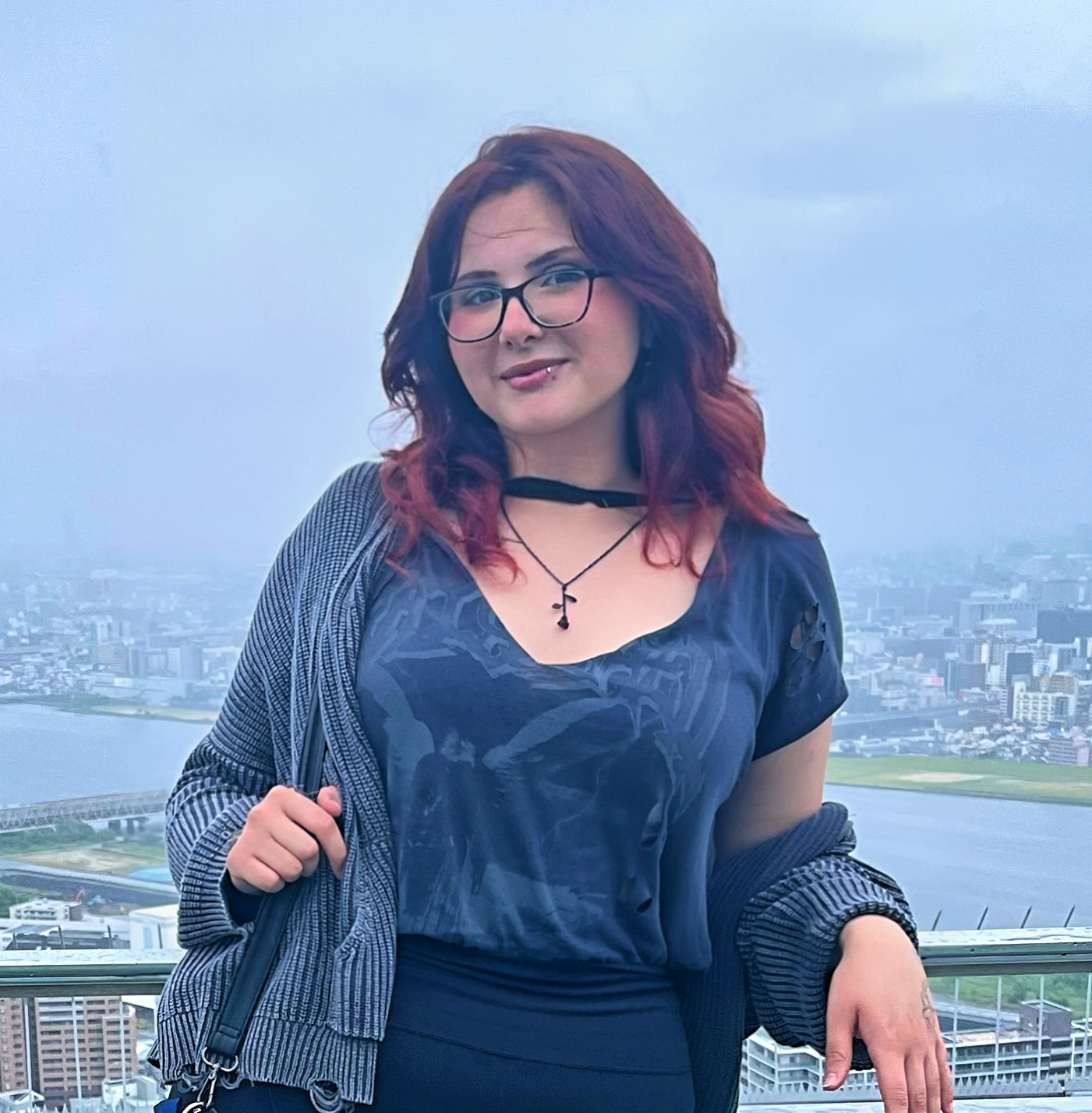
Özgecan Yüksel
Intern
Özgecan joined the lab in the autumn of 2026 for a three-month research internship. With a Bachelor’s degree in genetics and bioengineering, she was drawn to the Sorobetea lab by an interest in how the immune system restricts bacterial pathogens, and how those mechanisms could be harnessed when antibiotics fail. Özgecan is studying how macrophages restrict Pseudomonas infection, and contributing to the ongoing project on the role of T cells in Yersinia infection and granuloma resolution. After her internship, she hopes to begin her Master’s studies.
Fugitives

Ainhoa Pohlmann
Although Ainhoa studied at Stockholm University, she decided to come to my lab to do her Master’s thesis project. A very fortunate choice for me I would say. Her work aimed to elucidate how bacterial virulence factors influence granuloma resolution during Yersinia infection, notably when the immune system is compromised. Given her ambition and work ethic, it’s not surprising that she was admitted to several PhD programs in very tough competition. She ultimately picked the German Cancer Research Center (DKFZ) in Heidelberg, where she undoubtedly will charm everyone with her big smile (as long as she doesn’t disclose her dislike of cheese and sauerkraut, a sin for which she would never be forgiven in Germany).

Guðríður Elísa Pétursdóttir
Guðríður Elísa completed her Master’s thesis in my lab during the spring of 2026. Her project focused on the interaction between the Yersinia virulence factor YopH and long-term granuloma persistence. She contributed greatly, both to the overall research and the social atmosphere of the lab. I was particularly impressed with how she kept calm and stayed focused during particularly stressful periods, which I assume is an Icelandic trait. Also, to this day, she remains the only lab member who appreciated salty liquorice as much as I do, and if that’s not a mark of strength, then I don’t know what is.
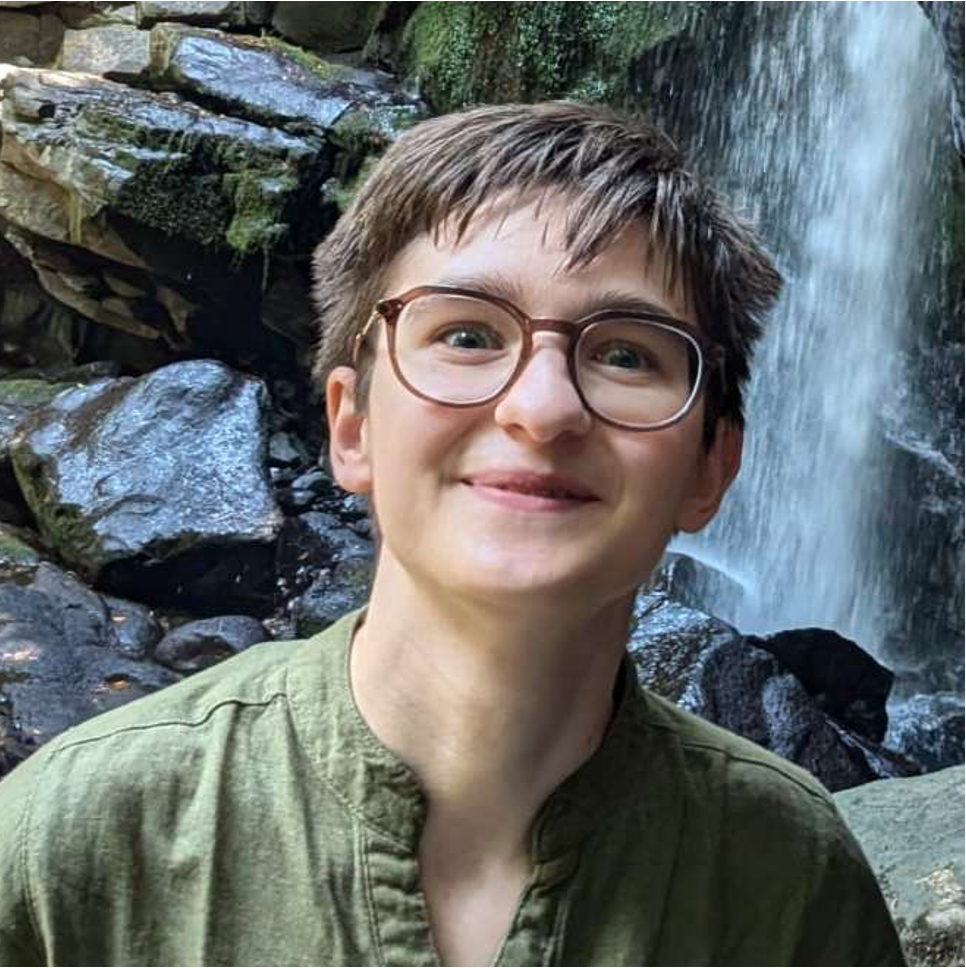
Anna Chudoba
Anna did her Bachelor’s degree project in the lab during the spring of 2026, where she continued the work of Silvia and Felicia in trying to understand how Pseudomonas interacts with macrophages. I think she left with more questions than answers, which is how it should be. She will continue her studies in biomedicine, so perhaps we’ll see her around, who knows? Regardless, we’ll miss having her around to be contrarian about absolutely everything.
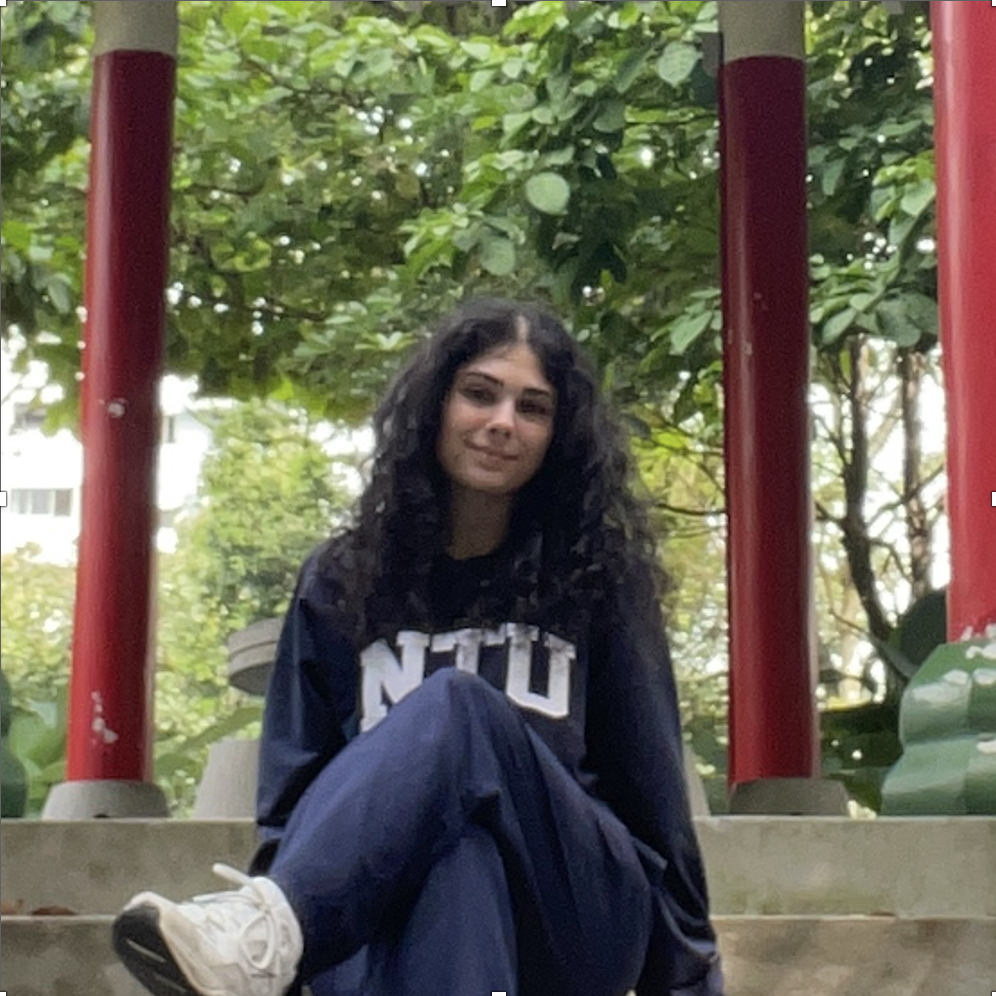
Felicia Chammas
Felicia joined the lab in the autumn of 2025 to do a short research project as part of her Master’s studies. Despite her brief time in the lab, Felicia was very productive and made good progress on trying to understand how macrophages undergo inflammasome activation in response to Pseudomonas infection. She has now moved on to the lab of Ivan Mijakovic at the Danish Technical University in Copenhagen to pursue her PhD degree. We will, of course, miss her, but at least now we can eat gluten again, which will be of great comfort in her absence.
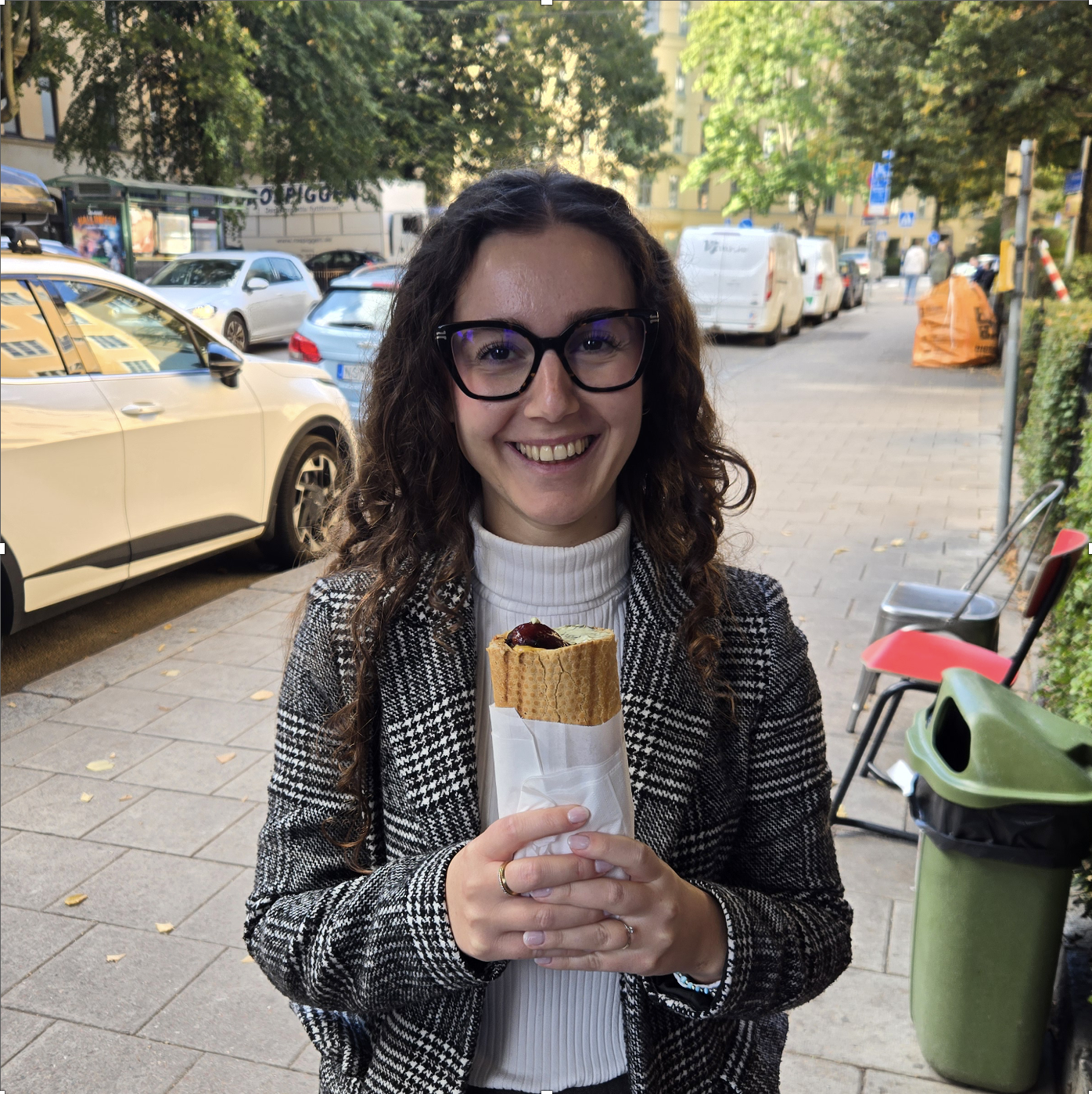
Silvia Fattore
Silvia spent a year in the lab as an intern studying how macrophages respond to Pseudomonas infection. She was essential in establishing the murine immortalized myeloid progenitors, as well as the infection model itself. In the above picture, she can be seen enjoying her favorite food in Stockholm, namely Günter’s sausages. A hole-in-the-wall sausage place might not seem very fancy, and Italians are notoriously picky about any foreign food. Yet, these sausages got Silvia’s approval, and that is saying something. Silvia is currently pursuing her PhD in the lab of Samuel Nobs at the Institute for Research in Biomedicine in Switzerland, and we are very excited for her, although we do miss her dearly. But, perhaps not as much as she misses those sausages.

