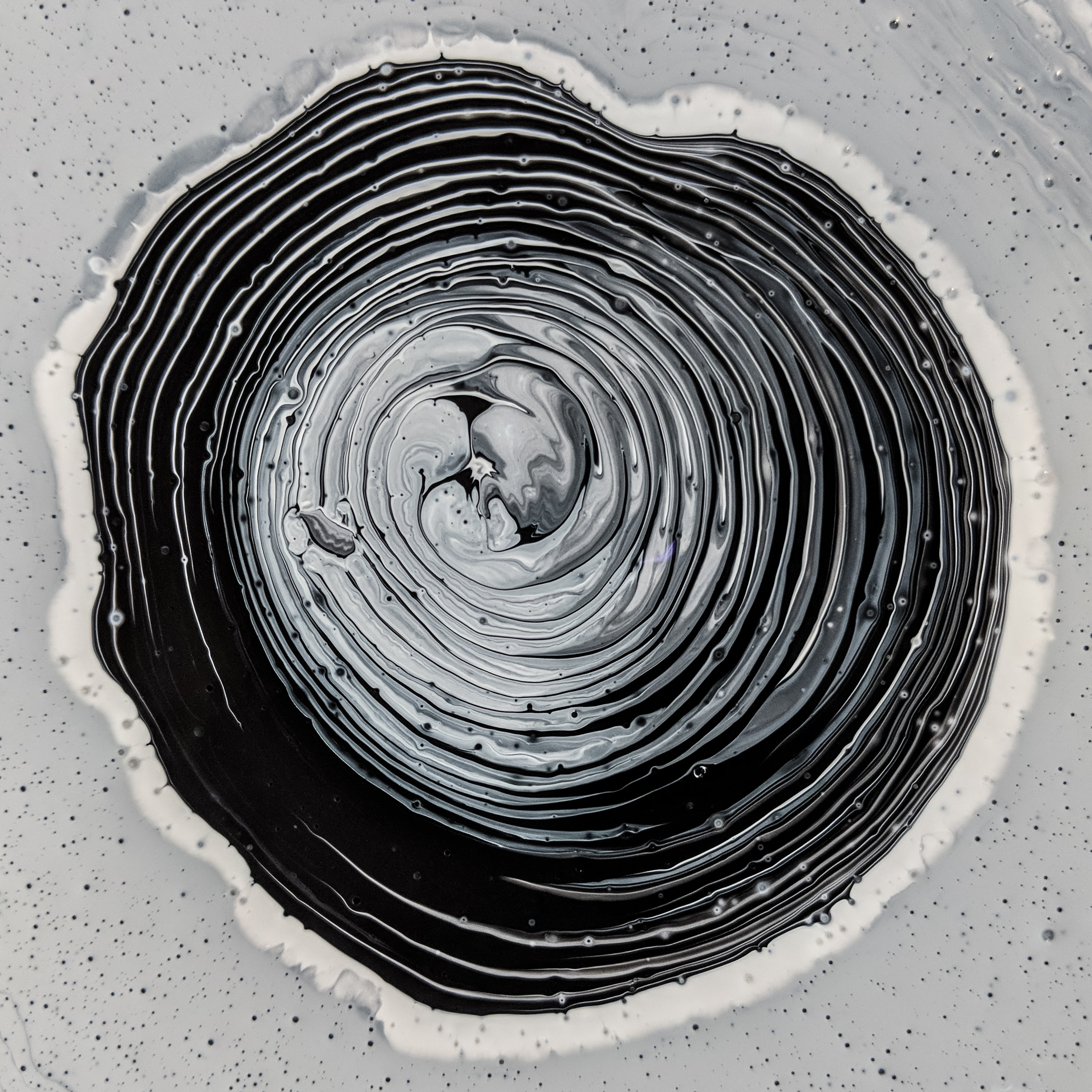

Some years ago, as I was perusing inside the Barcelona museum of contemporary art, I entered a room only to find a pile of shredded paper on the floor. My first thought was that I must have turned a wrong corner somewhere, but apparently the pile was a curated exhibit piece and not just a part of the cleaner’s workflow. I’ve heard it said that the purpose of art is to make us think, rather than simply be beautiful. Well, at least it accomplished that. If I were to shift the pile around, would anybody notice? What if I removed some of the paper scraps? Or scattered them around the room? Or placed my museum ticket on top of the pile? Would the next visitor be able to tell that something was wrong? Would they summon the staff and report the exhibit as damaged? I have good reasons to doubt this since, as it turns out, most people can’t distinguish between a modern painting and the random “art” created by toddlers. Indeed, when quizzed, most people can only tell the difference about half of the time; the same as chance. I submit, that if one can’t differentiate between the work of an acclaimed modern artist and that of a baby covered in paint who faceplants on a canvas, then it isn’t art. It’s a scam.
Who gave me the right to decide what constitutes “true” art? After all, I’m a scientist, not an artist. That may be true, but to be fair, science is an art, not a science, which gives me at least some say in this very important debate. However, I think that the more fundamental question that needs to be addressed is: what is art? Because, apparently, there’s no clear definition. Indeed, from what I can tell, the only agreed upon feature is that art is some kind of human activity. Well, in that case everyone is an artist, everything is art and the word becomes meaningless, which I think would be antithetical to how most artists view their art. I think to answer the question we need to consider how we use the word itself. Idioms such as “master the art”, “down to a fine art” or “there’s an art to it” all imply an element of mastery. Likewise, “state of the art” suggests novelty and creativity. From this we can deduce that art, at the very least, is a creative act of mastery. And, you know, preferably not covered in urine.
Much like the pile of trash in that museum, most modern art is garbage. A bold statement perhaps, but not a controversial one, since I’m certainly not the first to say it. But, why are so many people put off by modern art? I suspect it’s because there’s a sense that anybody could do it. We go to museums to be awed and impressed by feats of creativity and mastery that we could never accomplish, but end up feeling cheated, having paid a decent fee to look at a pile of bricks or cans of shite. I couldn’t paint a Renoir if I tried. It would take me years, if not decades, to create anything remotely close to Le Déjeuner des canotiers, and I would probably have to forego any other pursuits. On the other hand, I’m pretty sure that I could tape a banana to the wall. I could also not tidy my bed. And I most certainly could shred some paper and dump it on the floor. Or, at the very least, I could disrupt the pile ever so slightly. Maybe I did. Or, maybe I didn’t. We will never know. A true artist never reveals his secrets.
 Sorobetea